How to choose awnings for a terrace or balcony: practical tips
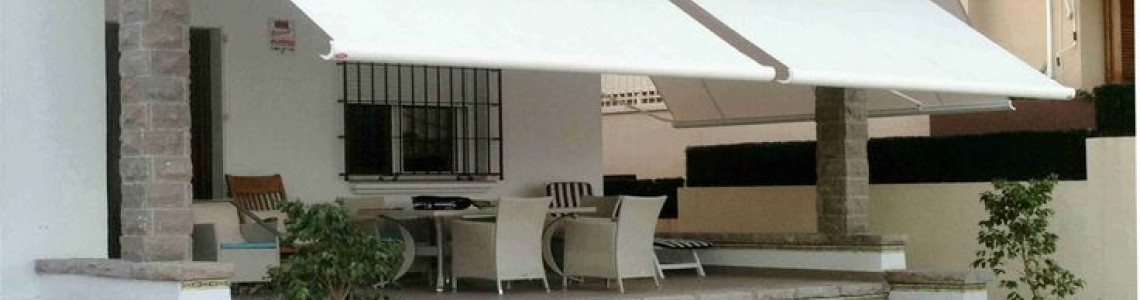
Comfort on the Balcony or Terrace: How to Choose the Right Awning
Comfort on a balcony or terrace depends not only on furniture or decor, but also on proper protection from the sun, rain, and wind. That’s why awnings — also known as sunshades — are one of the most popular ways to enhance open spaces. But how do you choose an awning that is functional, durable, and aesthetically pleasing? In this article, we’ll look at the main criteria for choosing an awning for your terrace or balcony.
What Are Awnings and What Are They For?
Awnings are retractable or fixed structures that protect spaces from direct sunlight, rain, dust, and even prying eyes. They are mounted to the building facade, wall, ceiling, or above windows/doors.
Advantages of Awnings:
-
Effective protection from UV rays
-
Reduced temperature on the balcony or terrace
-
Extended lifespan of furniture (less fading)
-
Creation of a cozy relaxation area
-
Enhanced facade aesthetics
Types of Awnings by Construction
Retractable Awnings
-
The most popular option for balconies and terraces
-
Feature a mechanism for manual or automatic extension
-
Ideal for changeable weather — can be quickly retracted
Cassette Awnings
-
Fabric and mechanism are enclosed in a protective cassette
-
Better protected from rain and dust
-
Modern appearance and long service life
Inclined or Vertical Awnings
-
Provide sun protection not only from above but also from the side
-
Perfect for balconies or terraces with strong side lighting or wind
Fixed (Non-Retractable) Awnings
-
Do not fold, remain extended at all times
-
Most reliable in constant sun or rain conditions
Control Options
-
Manual — operated using a crank or handle; reliable and budget-friendly
-
Automatic (Electric) — controlled via a button or remote; can be equipped with rain, wind, or sun sensors for automatic operation
Tip: If the awning is installed on a high floor or covers a large area, an electric drive is more convenient.
Awning Fabric Material
The fabric quality directly affects the efficiency and durability of the awning:
-
Acrylic Fabric — best option; provides excellent sun protection, resists fading, repels water
-
Polyester — more affordable, but fades faster
-
Technical Fabrics (with Teflon or acrylic coating) — repel dirt and water, protect against mold
Important: Choose fabric with UV filtration and a density of at least 280 g/m².
Mounting Options
Awnings can be mounted:
-
To the wall (most common)
-
To the ceiling of the balcony
-
To the window frame (if wall mounting isn’t possible)
Before installation, make sure the surface is strong enough to support the structure.
Size and Inclination Angle
-
The width of the awning should exceed the width of the balcony or window by 15–30 cm on each side for better coverage
-
The extension depth usually ranges from 1.5 to 3 meters
-
The inclination angle is adjustable (typically from 5° to 45°) to provide optimal protection from rain and direct sun
Design and Color
The awning color should complement the building facade and the overall terrace or balcony design:
-
Dark colors provide better shade but absorb more heat
-
Light colors create a softer shadow and appear more "airy"
Additional Features and Accessories
-
Wind sensors — automatically retract the awning in strong winds
-
Rain and sun sensors — automate extension and retraction
-
LED lighting — for a cozy atmosphere in the evening
-
Side curtains or panels — offer extra protection from side sun and wind
More articles
People Also Bought