Thematic children's room
Planning a Child's Room: Striking a Balance Between Theme and Neutrality
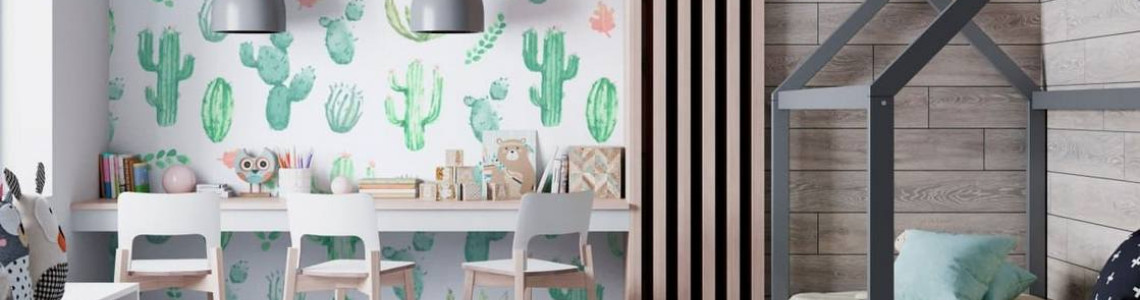
When planning a child's room, parents strive to create a space that is both functional and appealing to their little one. Interior designers often encounter requests to decorate children's rooms in a particular theme. However, there's a fine line between incorporating a theme and overwhelming the space with it.
The Pitfalls of Overly Themed Rooms
-
Design Overload: Cramming every element of the chosen theme into the room can quickly lead to a cluttered and visually overwhelming space.
-
Short-Lived Excitement: The initial excitement of a highly themed room may fade quickly, leaving the child feeling bored and uninspired by their surroundings.
-
Sensory Overload: Overly themed rooms can be visually and mentally stimulating, making it difficult for children to relax and rest.
-
Expense and Impracticality: Themed renovations can be costly, and it's impractical to constantly update the décor to match the child's evolving interests.
Creating a Balanced Themed Room
-
Neutral Base: Opt for a neutral color palette and simple furniture to create a calming and adaptable foundation.
-
Themed Accents: Introduce the theme through decorative elements like wall art, bedding, rugs, and toys. This allows for flexibility and personalization.
-
Limited Palette: Use a limited color scheme for themed accents to avoid overwhelming the space.
-
Scalable Elements: Choose décor that can be easily changed or added to as the child's interests evolve.
-
Functional Touches: Incorporate functional elements like a chalkboard wall or writable wallpaper to enhance the space's usability and encourage creativity.
Remember, a child's room should be a place of comfort, growth, and self-expression. By striking a balance between theme and neutrality, you can create a space that both inspires and nurtures your child's unique personality.
More articles

People Also Bought