Mix of styles: The main rules for combining classic and modern
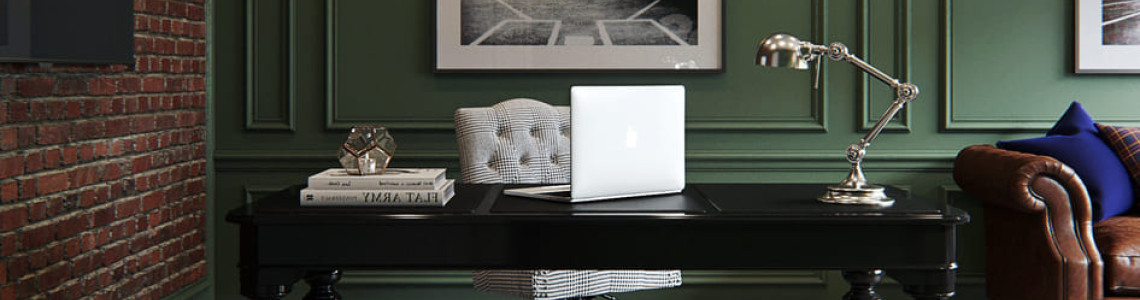
Blending Classic and Modern: A Guide to Harmonious Interior Design
In the world of interior design, mixing styles has become increasingly popular. Blending classic and modern elements can create a harmonious and stylish space that combines the elegance of traditional design with the convenience of contemporary living. However, like any design process, there are specific rules and recommendations to follow to ensure a result that is both aesthetically pleasing and functional. In this article, we will explore the key principles of combining classic and modern styles in interior design.
Selecting the Foundation Combining classic and modern doesn't mean haphazardly mixing entirely different styles. It's important to establish a foundation for each. For example, classic style typically includes elements such as luxurious wooden furniture, ornate ceiling moldings, heavy drapes, and antique pieces. Modern style, on the other hand, is characterized by minimalism, simplicity of forms, clean lines, and the use of contemporary materials like glass, metal, and concrete. To avoid overwhelming the space, start with the basics. Choose classic furniture made from quality materials for your main furniture groups, and use contemporary elements for accents like lighting or decorative pieces.
Color Palette Color is a crucial tool in creating a unified space. Classic style often employs warm tones like beige, cream, gold, deep brown, or dark gray. Modern design, on the other hand, leans towards cooler, more neutral tones: black, white, gray, and colors that highlight materials, such as metallic shades or accents of blue, green, or red. When mixing these styles, avoid overloading the interior with color accents. Use a neutral base (white, gray, beige) and introduce accents that correspond to each style: classic elements can be kept in warm tones, while modern accents can be in cool or bright shades.
Silhouettes and Proportions It's important to maintain a balance between the grandeur of classic elements and the simplicity of modern ones. Classic furniture often has curved shapes, intricate carvings, and heavy constructions, while modern design is characterized by simple and clean lines with minimal embellishments. To avoid style conflicts, combine them using the principle of contrast. For example, a classic, ornate table can be complemented by modern chairs with minimalist metal legs, creating a balance between massiveness and lightness. Or, walls with classic moldings and trim can be beautifully combined with wooden blinds or minimalist roller shades.
Using Modern Materials with Classic Forms Modern design often employs innovative materials like glass, concrete, metal, or plastic. You can combine these materials with classic elements while maintaining stylistic unity. For instance, a classic fireplace can be surrounded by modern metal shelves, or classic chandeliers can incorporate glass or metal elements. It's important to use modern materials in moderation to avoid disrupting the elegance of the classic style. The more subtly they are integrated, the more organic the combination will be.
Accents and Details One of the key aspects of combining classic and modern is the correct use of accents and details. Classic interiors are often filled with details like decorative pillows, heavy drapes, antique clocks, or porcelain vases. Modern design, on the other hand, prefers to leave space open, creating a sense of lightness and freedom. When combining these styles, you can add classic accents without overloading the space. For example, instead of an antique painting, you can choose a modern abstract piece in a classic frame, or complement a glass display case with antique vases and modern decorative elements.
Proper Lighting Lighting is another key aspect of mixing styles. Classic chandeliers and sconces made of crystal or with gold plating can be beautifully combined with modern light sources. For example, instead of traditional lamps, you can choose minimalist built-in lights in combination with luxurious chandeliers or wall sconces in a classic style.
Harmony in Texture It's also important to pay attention to textures. Classic style often uses high-quality fabrics like velvet, silk, and velvet, creating a luxurious feel, while modern design prefers simpler fabrics like linen or cotton. When combining textures, you can create stylish combinations, such as silk pillows on a modern sofa with metal elements or velvet curtains in a room with a concrete wall. This allows you to create interesting contrasts without disrupting the overall sense of style.
Blending classic and modern styles can be a wonderful solution for those who want to combine elegance and sophistication with contemporary functionality and comfort. However, to achieve a harmonious result, it's important to follow basic rules: balance elements, use the right color palette, combine textures, and work with details correctly. By following these simple recommendations, you can create an interior that is both stylish, modern, and comfortable for living.
More articles



People Also Bought