How to choose wallpaper for walls with problems (unevenness, cracks, etc.)
Wallpaper Selection for Problematic Walls: A Practical Guide
Renovating an apartment or house always comes with challenges, and one of the biggest issues can be walls with defects—uneven surfaces, cracks, dents, or other damages. However, the right choice of wallpaper can not only conceal these imperfections but also add style and sophistication to the interior. In this article, we will explore how to choose wallpaper for problematic walls and what to consider during installation.
Wallpaper for Uneven Walls: Choosing a Material That Masks Defects
For walls with irregularities and cracks, it is crucial to select wallpapers that can effectively conceal imperfections. First and foremost, consider thick materials that can hide minor surface flaws. Textured, vinyl, or fabric wallpapers are excellent options, as their structure helps even out the appearance of the wall.
Wallpapers with a non-woven (fleece) backing are particularly effective at covering significant irregularities. They adapt to the shape of the wall, making it visually smoother. Vinyl wallpapers, in particular, work well as they not only hide defects but are also highly resistant to mechanical damage.
Textures and Patterns: How Wallpapers Can Conceal Cracks and Wall Defects
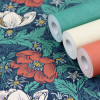
A well-chosen wallpaper pattern can be a lifesaver for problematic walls. Large-scale prints or geometric designs help distract attention from cracks and rough surfaces. Wallpapers with a 3D effect can also add depth to the wall, creating the illusion of a perfectly smooth surface.
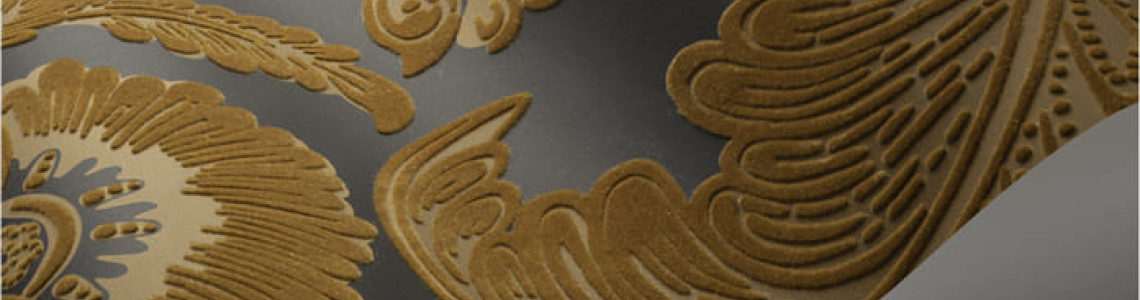
Textured wallpapers, such as those with silk or natural material effects, not only hide defects but also bring elegance to the interior. The choice of texture depends on the room’s style and personal preferences, but remember that wallpapers with large patterns can create the illusion of a smoother surface compared to plain ones.
Types of Wallpaper for Problematic Walls: Selection and Installation Tips
Several types of wallpaper are suitable for walls with defects:
- Vinyl wallpapers: Excellent at masking irregularities, moisture-resistant, and easy to clean. They are ideal for high-humidity rooms such as kitchens and bathrooms.
- Non-woven wallpapers: Easy to install, do not require pre-pasting with glue, and effectively conceal imperfections, though they work best for moderately problematic walls.
- Fabric wallpapers: A more luxurious option that adds elegance to an interior and effectively hides defects due to their rich texture.
When installing such wallpapers, it is crucial to properly prepare the wall to avoid bubbles and wrinkles on the surface.
Achieving a Perfect Wall with Textured Wallpapers
Embossed wallpapers are an excellent solution for enhancing the appearance of problematic walls. They can conceal minor irregularities and cracks while creating a visually interesting effect. Different textures can add depth and volume to the interior. For example, wallpapers imitating stone, brick, or plaster can visually smooth out wall defects.
However, for best results, it is essential to choose wallpapers based on the severity of the defects. If the walls have significant cracks or dents, textured wallpapers should be combined with preparatory work such as filling and priming.
The Role of Adhesive and Wall Preparation in the Final Outcome
Preparing the walls before applying wallpaper is a key step that determines the final result. Large defects should be carefully filled and sanded. Using a primer is also crucial, as it levels the surface and ensures better adhesion of the wallpaper glue.
As for adhesive, different wallpaper types require specific glue formulations to ensure a strong bond. Heavy vinyl or fabric wallpapers require high-adhesion glue to keep the material securely in place, even on imperfect surfaces.
Enhancing Wall Appearance: Advanced Wallpaper Technologies
Modern wallpaper technologies not only help conceal defects but also improve the overall look of walls with innovative materials. For example, micro-cracks or irregularities can be masked using wallpapers with built-in thermal or sound insulation properties. These options not only hide imperfections but also provide additional comfort benefits for the room.
Additionally, special wallpapers with acrylic or textured coatings can visually smooth the wall surface, making it look more refined.
Designer Tips: Combining Wallpapers with Other Materials for a Flawless Look
To achieve walls that are not only smooth but also visually appealing, designers often recommend combining wallpaper with other materials. For example, part of the wall can be covered with wallpaper, while the other section is finished with decorative plaster or painted in a contrasting color. This approach not only helps even out the wall but also creates a stylish and unique interior.
Another option is using panels or decorative tiles on problem areas of the wall. This technique not only conceals defects but also adds texture and depth to the room’s design.
Choosing the right wallpaper for walls with imperfections is not just a technical challenge but also an opportunity to enhance your interior, creating both comfort and aesthetic appeal. By considering the type of defects, selecting the appropriate material, and properly preparing the surface, you can achieve a flawless result.
More articles





People Also Bought